
Orthopedic surgeries can be life-changing, but they often come with a lengthy recovery process. This is where hospital rehab centers play a crucial role in helping patients regain their strength, mobility, and independence. We will delve into the world of hospital rehab for orthopedic patients, focusing on the essential services provided, the daily routines, and the invaluable role of therapists and overseeing doctors.

The Role of Hospital Rehab in Orthopedic Recovery
Physical Therapy
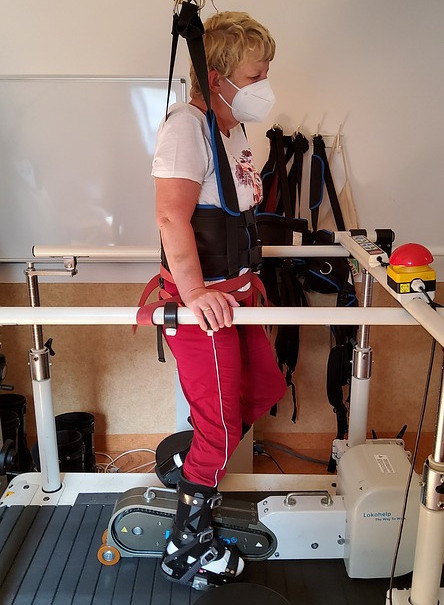
Orthopedic patients typically require physical therapy to rebuild strength, improve flexibility, and regain proper movement patterns. These therapies are tailored to the patient’s specific surgery and condition. Daily sessions involve exercises, stretches, and activities aimed at enhancing muscle function and reducing pain.
Physical Therapy: Rebuilding Strength and Enhancing Mobility
Physical therapy is a cornerstone of the rehabilitation process within inpatient facilities at hospitals, especially for orthopedic patients recovering from surgeries such as joint replacements, fractures, or spinal procedures. This therapeutic modality serves as a pivotal bridge between surgery and returning to an active and pain-free life.
Personalized Treatment Plans: Each orthopedic patient’s journey through physical therapy is highly individualized. Therapists meticulously assess the patient’s specific surgical procedure, overall health, pre-existing conditions, and personal goals. This comprehensive evaluation informs the development of a tailored treatment plan that addresses their unique needs and challenges.
Restoring Strength: The primary goal of physical therapy for orthopedic patients is to rebuild strength that may have been compromised due to injury or surgery. By focusing on targeted exercises and resistance training, therapists help patients regain muscle mass and improve overall physical function. They progressively increase the intensity of these exercises as the patient’s strength improves.
Improving Flexibility and Range of Motion: Orthopedic surgeries can sometimes lead to stiffness and a limited range of motion in the affected area. Physical therapists employ a variety of techniques, including stretches and joint mobilizations, to enhance flexibility and restore natural movement patterns. This not only aids in daily activities but also helps prevent future complications.
Pain Management: Pain management is a crucial aspect of orthopedic recovery. Physical therapists use a combination of manual therapy, modalities like ice and heat, and education on proper pain management techniques to minimize discomfort. They work closely with patients to strike a balance between challenging exercises for progress and ensuring that pain remains manageable.
Functional Rehabilitation: Beyond the physical aspects, physical therapists also focus on functional rehabilitation. This means preparing patients to perform day-to-day activities independently. This can include tasks such as getting in and out of bed, walking, climbing stairs, and even returning to work or sports.
Patient Education: Equally vital is the education aspect of physical therapy. Therapists provide patients with a clear understanding of their condition, the importance of adherence to the treatment plan, and strategies for preventing future injuries. They empower patients with the knowledge and tools they need to take control of their recovery.
Physical therapy within hospital rehab’s inpatient facilities for orthopedic patients is a multifaceted and highly specialized discipline. It plays an instrumental role in helping individuals regain their strength, flexibility, and mobility after surgery, ultimately allowing them to resume their normal lives with confidence and reduced pain. The dedication and expertise of physical therapists are indispensable in this process, guiding patients towards a successful and fulfilling recovery.
Occupational Therapy
Occupational therapists work with patients to help them regain the ability to perform daily tasks and activities independently. This includes relearning tasks such as dressing, bathing, cooking, and even returning to work. These therapies are vital for improving overall quality of life.
Restoring Independence and Quality of Life
Occupational therapy is an indispensable component of the comprehensive rehabilitation services offered within inpatient facilities at hospitals. It plays a pivotal role in assisting patients, especially those recovering from orthopedic surgeries, in regaining their independence and enhancing their overall quality of life.
Tailored Rehabilitation Plans: Occupational therapists take a holistic approach to patient care. They conduct thorough assessments to understand each patient’s unique challenges, including physical limitations, cognitive impairments, and emotional factors. This information forms the basis of a personalized rehabilitation plan that is carefully designed to address the patient’s specific needs and goals.
Daily Activities and Functional Independence: The primary objective of occupational therapy is to empower patients to perform daily activities and regain functional independence. Patients often need assistance relearning fundamental tasks they may have taken for granted, such as dressing, bathing, grooming, and preparing meals. Occupational therapists provide structured guidance and use adaptive techniques and tools to facilitate these activities.
Work and Community Reintegration: For patients looking to return to work or community activities, occupational therapy is indispensable. Therapists focus on the development of skills necessary for a successful reintegration into the workforce or social environment. This can include strategies for ergonomics, time management, and effective communication to navigate both personal and professional life effectively.
Adaptive Equipment and Assistive Devices: Occupational therapists are experts in recommending and teaching the use of adaptive equipment and assistive devices. These tools are often essential for individuals with orthopedic conditions to regain their autonomy. Whether it’s custom orthotics, mobility aids, or adaptive kitchen tools, therapists ensure patients are proficient in using these aids to enhance their daily lives.
Patient Education: In addition to hands-on therapy, occupational therapists educate patients and their families on strategies for long-term success. This includes injury prevention, energy conservation techniques, and lifestyle modifications that promote independence and minimize the risk of future injuries.
Occupational therapy within hospital rehab’s inpatient facilities for orthopedic patients is a comprehensive and patient-centered discipline. Its impact extends far beyond the physical realm, as it empowers individuals to regain control over their lives and engage in meaningful activities. The expertise and dedication of occupational therapists are instrumental in helping patients achieve greater independence and a higher quality of life following orthopedic surgeries and injuries.

Daily Routine in Hospital Rehab
Assessment and Goal Setting
Each patient’s journey in a hospital rehab center begins with a comprehensive assessment by a team of healthcare professionals. They establish baseline measurements, set realistic goals, and create a personalized rehabilitation plan.
Therapy Sessions
Orthopedic patients can expect daily therapy sessions, which may vary in intensity and duration based on their progress. Physical therapy sessions often focus on strengthening and range of motion exercises, while occupational therapists help patients regain functional skills.
Medical Monitoring
Doctors and nurses closely monitor the patient’s medical condition, including wound care, pain management, and medication adjustments. Regular check-ups ensure that the patient’s recovery stays on track.
Diet and Nutrition
Proper nutrition is a crucial aspect of recovery. Dietitians and nutritionists work with patients to ensure they receive the necessary nutrients to support healing and overall well-being.
The Invaluable Role of Therapists and Doctors

Physical and Occupational Therapists
These professionals are the backbone of the rehab process. They work tirelessly to motivate and guide patients through their journey to recovery, helping them regain independence and confidence.
Rehabilitation Doctors
Rehabilitation doctors are specialized physicians who oversee the entire rehabilitation process. They collaborate with therapists, nurses, and other specialists to create a holistic treatment plan tailored to the patient’s needs. They also manage pain and address any medical issues that may arise during recovery.
Hospital rehab centers are essential for orthopedic patients on their road to recovery. These facilities provide a nurturing environment where patients receive the expertise of dedicated physical and occupational therapists, as well as the oversight of rehabilitation doctors. The comprehensive care and personalized therapies offered in these centers significantly improve the chances of a successful recovery, helping patients regain their independence and return to their normal lives.

Then after receiving the specialized inpatient rehabilitation services at the hospital, the next crucial step in the patient’s journey to recovery is the transition to home health services. This transition allows patients to continue their rehabilitation in the familiar and comfortable environment of their own homes. Home health services often include ongoing physical therapy sessions, ensuring that the progress made during the inpatient stay is maintained and built upon. This transition not only completes the recovery process but also encourages patients to regain their independence and confidence, ultimately empowering them to return to their normal routines and daily activities with renewed strength and mobility.