

How Physical Activity Supports Circulation And Recovery
Heart and Motion February, the month often associated with hearts and love, provides a perfect opportunity to reflect on the incredible organ at the center of it all: your heart. Far beyond just pumping blood, a healthy heart and robust circulatory system are fundamental to your overall well-being, especially when you’re on a journey of recovery through home physical therapy. In this article, we’ll explore the profound connection between physical activity, circulation, and recovery, offering practical home exercises and actionable advice to help you nurture your heart and enhance your healing process.
This resource delves into the vital link between physical movement, healthy circulation, and effective recovery. We’ll provide you with practical, home-based exercises and tips, empowering you to care for your heart and accelerate your body’s natural healing.

The Powerhouse Within: Understanding Your Circulatory System
Imagine your circulatory system as a vast network of highways and byways, diligently transporting oxygen, nutrients, and vital immune cells to every corner of your body. At the heart of this network is, of course, your heart, a tireless muscle that beats approximately 100,000 times a day. When you engage in physical activity, you’re not just moving your muscles; you’re also giving your cardiovascular system a powerful workout.
Regular movement helps to strengthen your heart muscle, making it more efficient at pumping blood. This enhanced efficiency means that your heart doesn’t have to work as hard to deliver the same amount of blood, leading to a lower resting heart rate and blood pressure over time. Furthermore, physical activity helps to keep your blood vessels flexible and open, reducing the risk of blockages and improving overall blood flow. This improved circulation is absolutely critical for recovery, as it ensures that damaged tissues receive the necessary resources for repair and regeneration, while also efficiently clearing away waste products that can hinder healing.
Recovery’s Best Friend: How Circulation Fuels Healing
For those undergoing physical therapy at home, optimizing circulation is a non-negotiable component of a successful recovery. Whether you’re recovering from surgery, managing a chronic condition, or rehabilitating an injury, your body needs a steady supply of oxygen and nutrients to rebuild and repair. Here’s how improved circulation directly impacts your healing journey:
- Faster Tissue Repair: Adequate blood flow brings essential proteins, vitamins, and minerals to the site of injury or surgery, accelerating the cellular processes involved in tissue regeneration.
- Reduced Inflammation: While some inflammation is a natural part of healing, excessive or prolonged inflammation can impede recovery. Good circulation helps to transport inflammatory markers away from the injured area, reducing swelling and discomfort.
- Enhanced Nutrient Delivery: Every cell in your body needs fuel to function and repair. Improved circulation ensures that these vital nutrients reach the cells that need them most, optimizing their ability to heal.
- Waste Product Removal: As tissues heal, they produce metabolic waste. Efficient circulation helps to flush these waste products from the body, preventing their accumulation, which can slow down recovery.
- Pain Management: Improved blood flow can sometimes help to reduce pain by delivering endorphins (natural painkillers) and reducing muscle stiffness associated with poor circulation.
Heart Healthy Home Exercises for Circulation and Recovery
The good news is that you don’t need a gym full of equipment to boost your circulation and support your recovery. Many effective exercises can be performed right in the comfort of your own home, often using just your body weight or simple household items. Remember to always consult with your physical therapist or healthcare provider before starting any new exercise program, especially if you have specific health conditions or are recovering from an injury.
Here are some examples of home exercises and suggestions to get your heart and circulation pumping:
1. Gentle Marching in Place: This is a fantastic low-impact exercise to warm up your muscles and gently elevate your heart rate.
- Stand tall with your feet hip-width apart.
- Lift one knee towards your chest, then slowly lower it.
- Alternate legs, marching in place as if you’re walking.
- Start with 2-3 minutes and gradually increase as tolerated.

2. Seated Leg Lifts: Great for lower body circulation, especially if standing exercises are challenging.
- Sit in a sturdy chair with your feet flat on the floor.
- Straighten one leg out in front of you, lifting your foot a few inches off the floor.
- Hold for a few seconds, then slowly lower.
- Repeat 10-15 times per leg.

3. Arm Circles: Boosts circulation in your upper body and shoulders.
- Stand or sit with your arms extended out to your sides, parallel to the floor.
- Make small circles forward with your arms for 15-20 seconds.
- Reverse direction and make small circles backward for another 15-20 seconds.

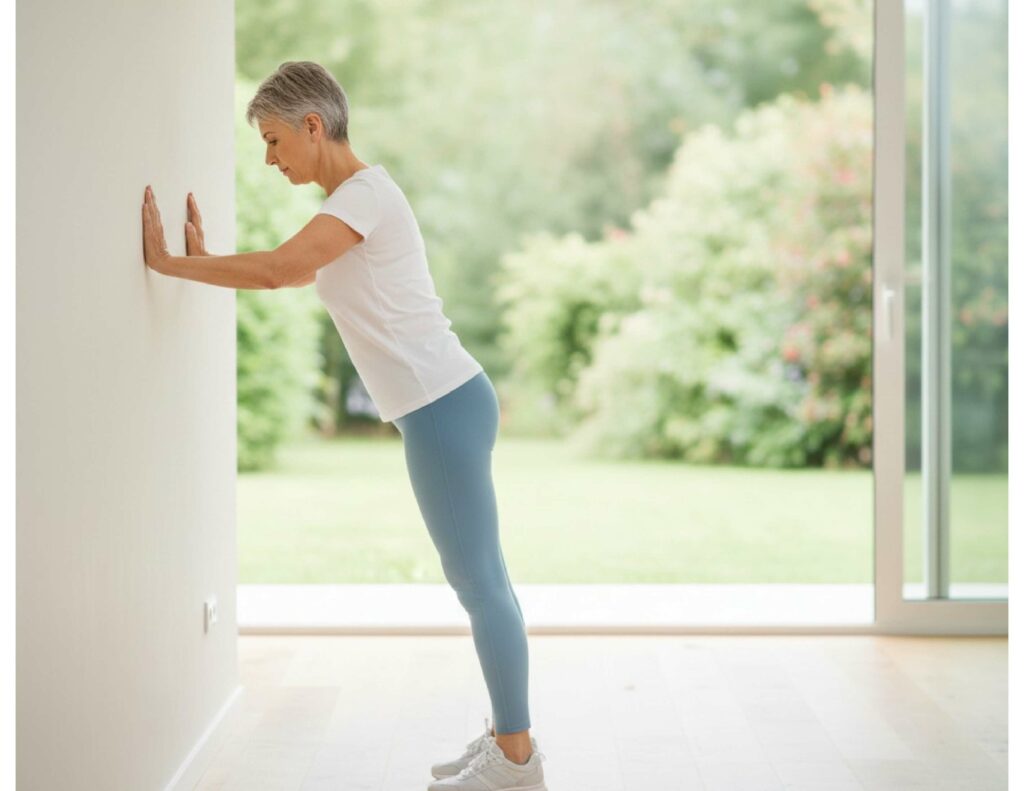
4. Wall Push-ups: A modified push-up that’s easy on the joints but still works your chest, shoulders, and arms, encouraging blood flow.
- Stand facing a wall, about arm’s length away.
- Place your palms flat on the wall, slightly wider than shoulder-width apart.
- Bend your elbows, leaning your body towards the wall, keeping your body in a straight line.
- Push back to the starting position.
- Perform 10-15 repetitions.
5. Calf Raises: Excellent for stimulating blood flow in your lower legs and helping with venous return (blood flowing back to the heart).
- Stand behind a sturdy chair for support.
- Slowly raise onto the balls of your feet, lifting your heels as high as comfortable.
- Hold for a second, then slowly lower your heels back down.
- Repeat 10-15 times.

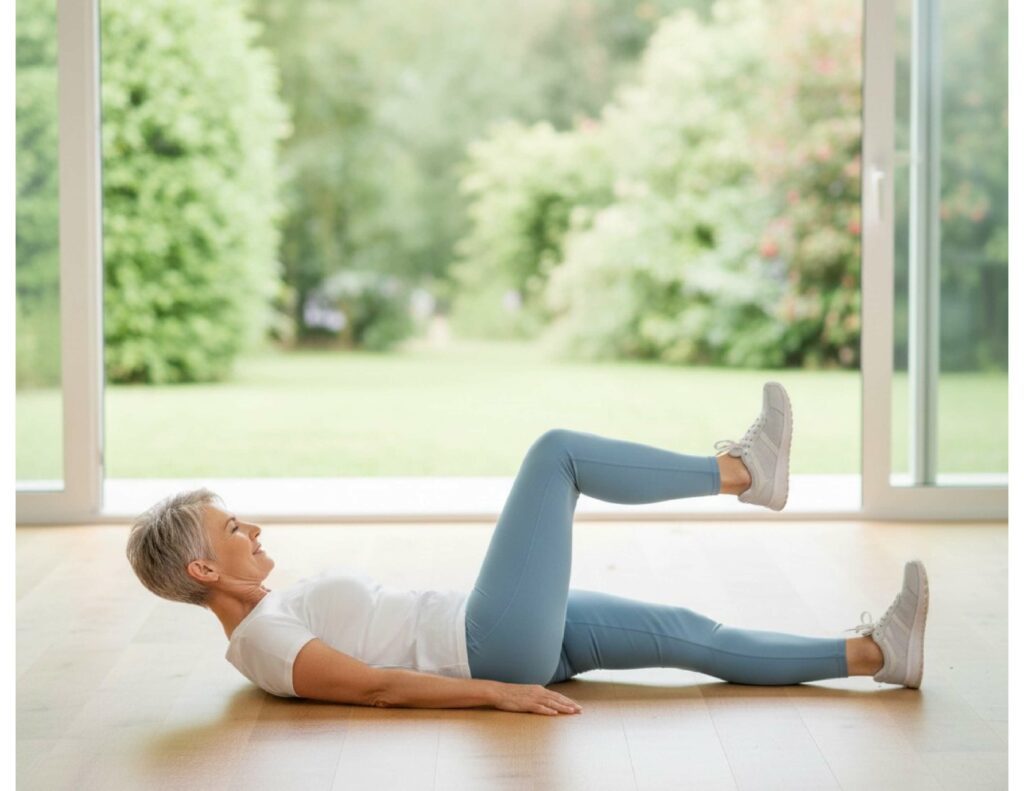
6. Ankle Pumps: Simple yet effective for promoting circulation in your feet and ankles, especially important if you’re sedentary for periods.
- Sit or lie down with your legs extended.
- Point your toes away from you, then flex your feet, pulling your toes towards your shins.
- Repeat 15-20 times per ankle.
Beyond Exercises: Lifestyle Suggestions for a Healthy Heart and Enhanced Recovery
While structured exercises are crucial, integrating movement into your daily life can significantly impact your cardiovascular health and recovery.
- Take Movement Breaks: If you find yourself sitting for long periods, set a timer to remind yourself to get up and move every 30-60 minutes. A short walk to the kitchen, a few stretches, or some of the gentle exercises above can make a big difference.
- Stay Hydrated: Water is essential for maintaining blood volume and viscosity. Dehydration can make your blood thicker, making your heart work harder. Aim to drink plenty of water throughout the day.
- Prioritize Sleep: Quality sleep is a powerful recovery tool. During sleep, your body repairs and regenerates, including your cardiovascular system. Aim for 7-9 hours of restful sleep per night.
- Manage Stress: Chronic stress can negatively impact heart health. Incorporate stress-reducing activities into your routine, such as deep breathing exercises, meditation, or gentle yoga.
- Nutritious Diet: Fuel your body with a diet rich in fruits, vegetables, lean proteins, and whole grains. These foods provide the nutrients needed for energy, tissue repair, and overall heart health.
This February, let’s celebrate the incredible work your heart does every single day. By incorporating mindful physical activity into your home physical therapy routine and adopting heart-healthy lifestyle habits, you’re not just supporting your recovery; you’re investing in a healthier, more vibrant future. Remember, every small movement contributes to the powerful symphony of your circulatory system, helping you heal, strengthen, and thrive.
If you or a loved one could benefit from home physical therapy, we’re here to help. At Kinetic Therapy Service, our experienced team brings compassionate, one-on-one care directly to the comfort of your home, supporting recovery, improving mobility, and helping you move forward with confidence.
Call Kinetic Therapy Service at 580-279-1928 to get signed up or to learn more about how home physical therapy can support your healing journey. Your heart, your health, and your recovery matter, and you don’t have to walk this path alone.