As we age, one of the most significant concerns is the increased risk of falls and lead to severe injuries.

However, the good news is that fall prevention strategies can be implemented to minimize these risks and maintain an active, fulfilling life. Home physical therapy is an essential tool in this endeavor, empowering individuals to improve strength, balance, and coordination while mitigating fall-related hazards. In this blog post, we will explore the importance of fall prevention and how home physical therapy can play a pivotal role in promoting safety and overall well-being.
The Impact of Falls
Falls are a common cause of injuries among older adults, leading to fractures, head trauma, and other serious health issues. Beyond the physical repercussions, falling can also trigger a fear of falling, which can cause individuals to limit their activities and social interactions, ultimately affecting their quality of life. The emotional toll of such incidents can be significant, leading to decreased confidence and independence.
- Emotional Trauma: A fall can be a terrifying experience, leaving older adults shaken and emotionally vulnerable. Even if the injuries are not severe, the emotional impact can be significant, leading to feelings of fear, anxiety, and vulnerability. The fear of falling again becomes a constant concern, leading to heightened stress and unease in everyday activities.
- Social Isolation: The fear of falling can lead older adults to avoid participating in social gatherings, outdoor activities, or even family gatherings. The fear of embarrassment or the idea of being a burden to others might cause them to withdraw from social engagements. Over time, this isolation can lead to feelings of loneliness and depression, impacting mental well-being and overall quality of life.
- Reduced Physical Activity: Ironically, the fear of falling can exacerbate the risk of future falls. When individuals limit their physical activities, they lose the opportunity to maintain and improve their strength, balance, and coordination. A sedentary lifestyle can further weaken muscles and bones, making them more susceptible to falls and injuries.
- Loss of Independence: Older adults often cherish their independence, valuing their ability to take care of themselves and remain active in their daily lives. However, after experiencing a fall, they may feel that their independence is compromised. This loss of independence can lead to frustration, a sense of helplessness, and a decrease in overall self-esteem.
- Negative Self-Perception: A fall can shatter an individual’s perception of themselves as capable and self-reliant. They may start viewing themselves as frail or vulnerable, which can be detrimental to their mental health and self-image.
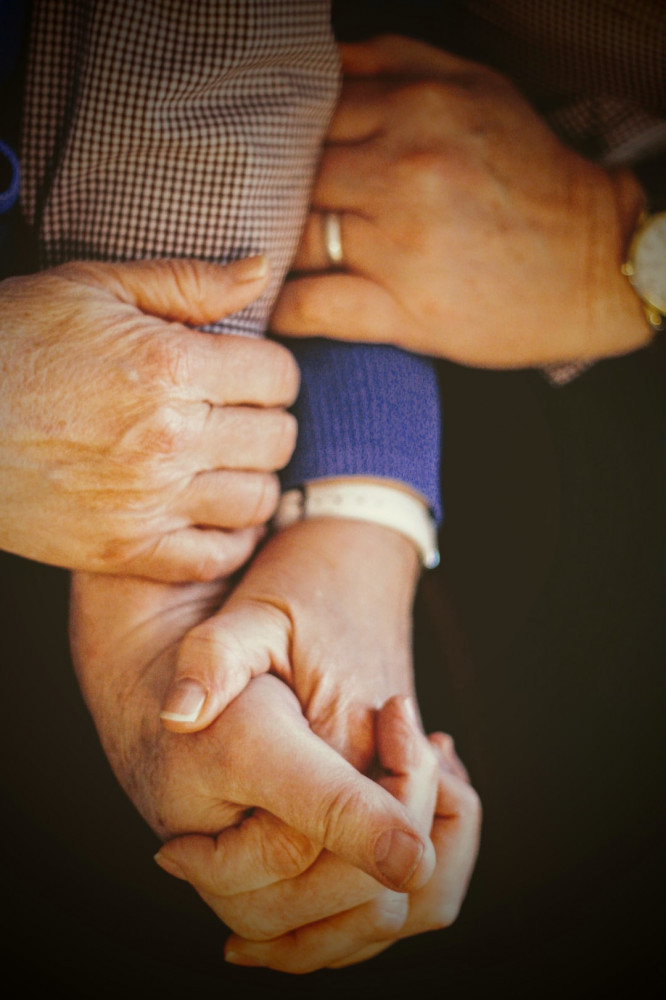
To address the emotional toll of falls and promote overall well-being, it is essential to take a holistic approach that includes the following:
- Emotional Support: After a fall, older adults need emotional support from loved ones and caregivers. A compassionate and understanding environment can help them process their emotions and fears, providing reassurance and encouragement.
- Mental Health Services: Seeking professional mental health support, such as counseling or therapy, can be beneficial in dealing with anxiety, depression, or feelings of isolation resulting from a fall.
- Fall Prevention Programs: Participating in fall prevention programs, such as home physical therapy, can help rebuild confidence and reduce the fear of falling. These programs offer a safe and structured environment to improve physical strength, balance, and coordination.
- Gradual Reintegration: Encouraging older adults to gradually reintegrate into their regular activities and social engagements, with appropriate support and accommodations, can help them regain confidence and independence.
- Home Safety Modifications: Implementing home safety modifications, as recommended by home physical therapists or occupational therapists, can create a safer living environment, reducing the risk of falls and instilling a sense of security.
Falls among older adults have far-reaching consequences that extend beyond physical injuries. The emotional trauma, fear of falling, social isolation, and loss of independence can significantly impact an individual’s quality of life. By addressing both the physical and emotional aspects of fall prevention, we can empower older adults to maintain their well-being, confidence, and independence. With the right support, encouragement, and proactive measures, older adults can lead fulfilling lives and age gracefully, free from the grip of fear and limitations caused by falls.

Understanding Fall Prevention
Preventing falls requires a multifaceted approach that addresses various risk factors. Some key strategies for fall prevention include:
- Exercise: Engaging in regular physical activity helps improve strength, balance, and flexibility. It also boosts overall health and reduces the likelihood of falling.
- Home Modifications: Making simple adjustments to the home environment can significantly reduce fall hazards. This includes removing clutter, adding grab bars in bathrooms, ensuring proper lighting, and securing rugs to prevent slips.
- Medication Management: Some medications may cause dizziness or drowsiness, increasing the risk of falls. Regular medication reviews with healthcare providers can help identify and address such concerns.
- Vision and Hearing Checks: Regular eye and ear examinations are vital for identifying and correcting sensory deficits that may contribute to falls.
- Proper Footwear: Wearing well-fitting, supportive shoes with good traction can prevent slips and trips.

The Role of Home Physical Therapy
Home physical therapy is a specialized service that brings professional therapists directly to the individual’s home. This personalized approach allows therapists to evaluate the home environment and design a tailored fall prevention program. Here’s how home physical therapy can help:
- Individualized Assessment: A licensed physical therapist will conduct a thorough assessment of the individual’s strength, balance, gait, and functional abilities. They will identify specific areas that require improvement to reduce fall risks.
- Customized Exercise Programs: Based on the assessment, the physical therapist will develop a personalized exercise regimen. These exercises will focus on improving muscle strength, flexibility, and balance, targeting the areas of concern.
- Home Safety Recommendations: Home physical therapists can identify potential hazards within the home and recommend necessary modifications to enhance safety. This might include suggesting the installation of handrails, removing obstacles, or rearranging furniture for better mobility.
- Gait Training: Gait abnormalities can increase fall risks. Home physical therapy can provide gait training to ensure proper walking patterns and enhance stability.
- Education and Confidence Building: Home physical therapists also educate individuals and their caregivers about fall prevention techniques, such as using assistive devices correctly and reacting to potential hazards. By building confidence, individuals can regain their independence and engage in daily activities with reduced fear of falling.
Fall prevention is a crucial aspect of maintaining a healthy and independent lifestyle, especially as we age. Home physical therapy offers a comprehensive approach to reducing fall risks by addressing individual needs, providing customized exercise programs, and improving home safety. By embracing fall prevention strategies and incorporating home physical therapy, individuals can take proactive steps to safeguard their well-being and enjoy a more fulfilling life in the comfort of their own homes. Remember, it’s never too late to prioritize fall prevention and take charge of your health and independence.
Call Kinetic Therapy Service at 580-279-1928 and see how we can help with fall prevention for you or your loved one!