
How to Deal with Pain Being hospitalized can prove to be a stressful and challenging occurrence. As one may not solely be dealing with the ailments or any injury that may have led to your hospitalization, you may also experience several other symptoms. Some of the most common physical symptoms after a hospital stay include pain, difficulty breathing, and dizziness.
Pain
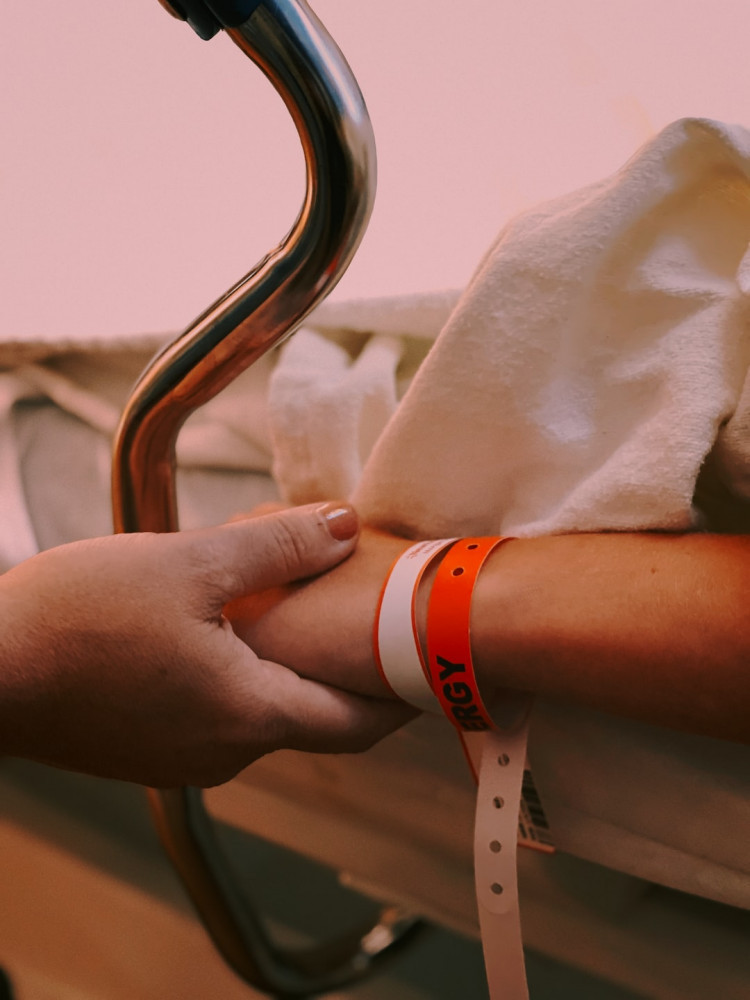
Starting with pain, it is a common complaint after a hospital stay. It can be caused by a number of factors, including surgery, injury, or illness. Pain can make it difficult to move around, sleep, and participate in daily activities. It can also be a source of stress and anxiety.
Physical therapy can be an effective way to manage pain after a hospital stay. Physical therapists can help you regain strength and mobility, which can help to reduce pain. They can also teach you exercises and techniques to help you manage your pain at home.
Physical therapy can be started as soon as you can tolerate it. The frequency and intensity of your sessions will vary depending on your individual needs.
If you are experiencing pain after a hospital stay, talk to your doctor about physical therapy. Physical therapy can help you to recover faster and get back to your normal activities.
Here are some ways that physical therapy can help with pain after a hospital stay:
- Strengthen muscles. Weak muscles can make it difficult to move around and can contribute to pain. Physical therapists can help you strengthen your muscles through a variety of exercises.
- Improve range of motion. Limited range of motion can also contribute to pain. Physical therapists can help you improve your range of motion through stretching and other exercises.
- Reduce inflammation. Inflammation can cause pain and swelling. Physical therapists can use a variety of techniques to reduce inflammation, such as ice, heat, and massage.
- Educate you about pain management. Physical therapists can teach you about different pain management techniques, such as relaxation techniques, biofeedback, and cognitive-behavioral therapy.

Difficulty Breathing
Another symptom might be difficulty breathing, also known as dyspnea, can be caused by some factors, including surgery, injury, or illness. It can make it difficult to get enough air, which can lead to fatigue, anxiety, and a decrease in quality of life.
Physical therapy can be an effective way to improve breathing after a hospital stay. Physical therapists can help you regain strength and mobility in your chest and lungs, which can help to improve your breathing. They can also teach you exercises and techniques to help you breathe more effectively.
Physical therapy can be started as soon as you can tolerate it. The frequency and intensity of your sessions will vary depending on your individual needs.
Here are some ways that physical therapy can help with difficulty breathing after a hospital stay:
- Strengthen muscles. Weak muscles in your chest and lungs can make it difficult to breathe. Physical therapists can help you strengthen these muscles through a variety of exercises.
- Improve range of motion. Limited range of motion in your chest and lungs can also make it difficult to breathe. Physical therapists can help you improve your range of motion through stretching and other exercises.
- Educate you about breathing exercises. There are a number of breathing exercises that can help to improve breathing. Physical therapists can teach you these exercises and help you to incorporate them into your daily routine.
- Provide support and encouragement. Physical therapists can provide support and encouragement as you work to improve your breathing. They can help you to set realistic goals and track your progress.
Dizziness
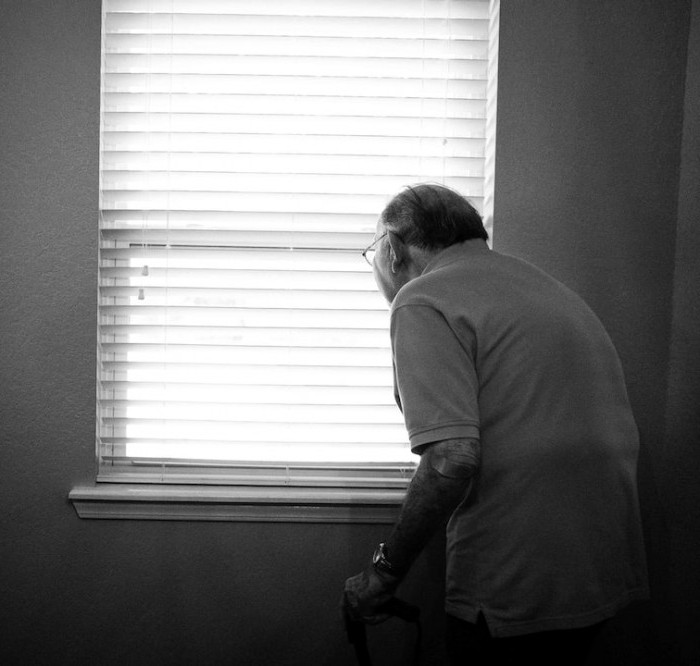
Another symptom would be Dizziness is a feeling of unsteadiness or lightheadedness. It can be caused by several factors, including medication side effects, dehydration, low blood sugar, and inner ear problems. Dizziness can make it difficult to walk, stand, and move around. It can also be a source of anxiety and stress.
Physical therapy can be an effective way to manage dizziness after a hospital stay. Physical therapists can help you regain strength and balance, which can help to reduce dizziness. They can also teach you exercises and techniques to help you manage your dizziness at home.
Physical therapy can be started as soon as you can tolerate it. The frequency and intensity of your sessions will vary depending on your individual needs.
Here are some ways that physical therapy can help with dizziness after a hospital stay:
- Strengthen muscles. Weak muscles can contribute to dizziness. Physical therapists can help you strengthen your muscles through a variety of exercises.
- Improve balance. Poor balance can contribute to dizziness. Physical therapists can help you improve your balance through a variety of exercises.
- Educate you about dizziness. Physical therapists can teach you about different types of dizziness and what you can do to manage it.
- Help you develop a home exercise program. Physical therapists can help you develop a home exercise program that you can do to maintain your strength, balance, and reduce dizziness.
If you are experiencing pain, difficulty breathing or dizziness after a hospital stay, talk to your doctor about physical therapy. Physical therapy can help you to recover faster and get back to your normal activities.
Kinetic Therapy Service