
Independence Through Movement: Celebrating Home Based Progress

July is a month associated with freedom, celebration, and reflection. While the nation honors collective independence, it is also the perfect time to look inward and celebrate a more personal form of freedom: your physical independence. For individuals recovering from surgery, managing chronic conditions, or working hard to regain structural mobility, every step taken without assistance is a declaration of freedom.
When your rehabilitation takes place in the comfort of your own home, progress isn’t measured by the complex machinery of a clinic. Instead, it is measured by the everyday victories that restore your autonomy like climbing the stairs, standing up from a favorite chair with ease, or reaching safely into a kitchen cabinet. Real independence begins at home, and it is fueled entirely by consistent, intentional movement.
The Power of Small Victories
In the journey of physical recovery, it is easy to get caught up looking at the final destination. However, true long-term progress is built on small, daily commitments. Reclaiming your independence doesn’t happen overnight; it is a cumulative effect.
- Restoring Confidence: Every time you practice a balance or strength exercise at home, you are retraining your nervous system and rebuilding trust in your own body.
- Preventing Setbacks: Consistent movement improves joint lubrication, maintains muscle mass, and keeps your cardiovascular system strong, significantly lowering the risk of accidental falls or re-injury.
- Enhancing Mood: Physical activity releases endorphins, which can help manage the chronic pain or frustration that sometimes accompanies a lengthy recovery process.
Three Core Home Exercises for Independence
To help you celebrate your mobility this month, here are three functional exercises designed to build stability, core power, and lower-body strength right where you live. Refer to the companion graphic to see a visual demonstration of each movement.
1. Single-Leg Stance Balance (Stability & Fall Prevention)
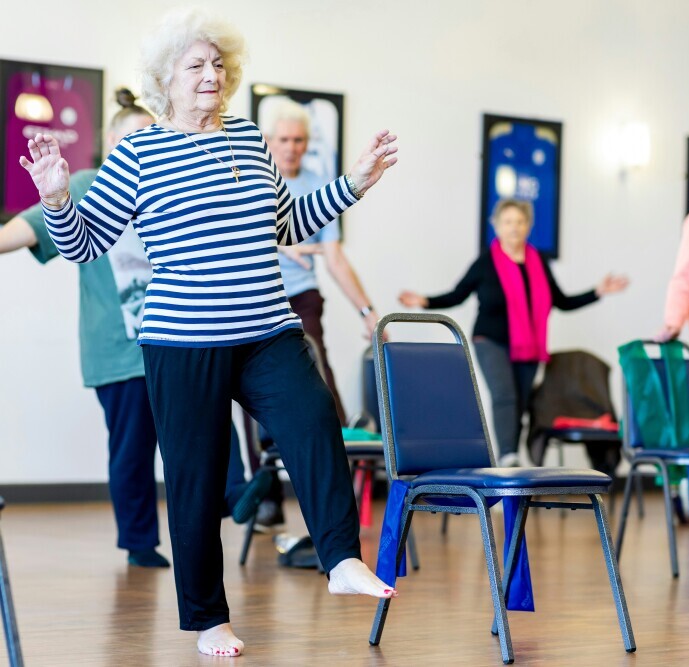
Strong balance is the ultimate foundation of physical independence. This exercise helps steady your gait and prevents stumbles.
- The Action: Stand tall next to a sturdy chair or countertop for safety. Lightly place one hand on the support, then lift one foot slightly off the floor. Try to balance on the standing leg for 15 to 30 seconds. Repeat on the other side.
- The Goal: Work up to holding for 30 seconds on each leg with minimal reliance on the hand support.
2. Glute Bridge for Core Stability (Hips & Lower Back Strength)
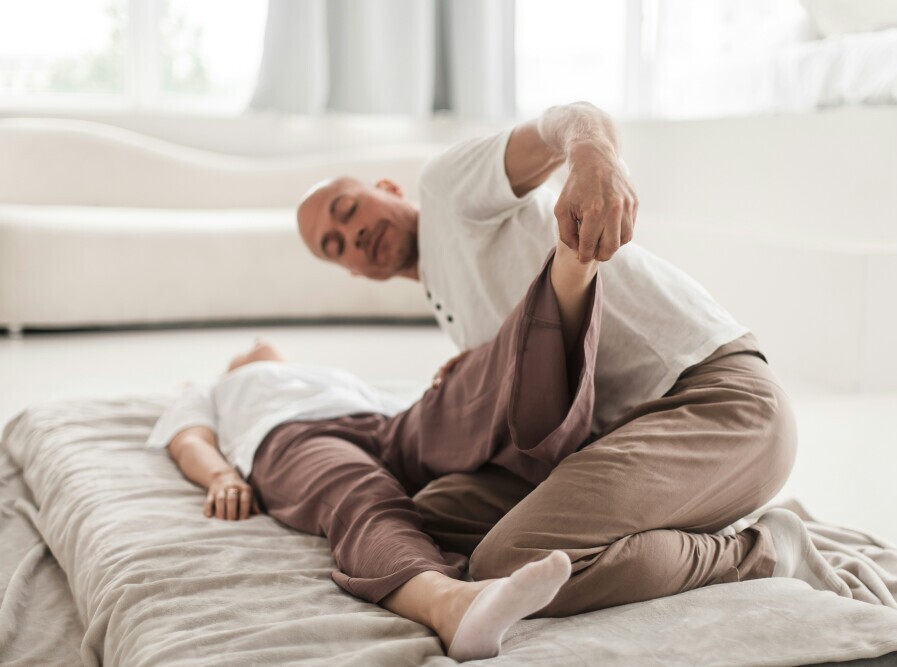
A strong pelvic floor and lower back are essential for rolling over in bed, standing up, and walking with good posture.
- The Action: Lie flat on your back on a comfortable exercise mat with your knees bent and feet flat on the floor, hip-width apart. Squeeze your glutes and press through your heels to lift your hips toward the ceiling until your body forms a straight line from your shoulders to your knees. Hold for 2 seconds, then slowly lower.
- The Goal: 2 sets of 10 controlled repetitions.
3. Standing Hip Abduction / Side Leg Raise (Lateral Stability & Gait)
This exercise strengthens the side of your hips (gluteus medius), which keeps your pelvis level when you walk and step over obstacles.
- The Action: Stand facing a table or holding the back of a sturdy chair. Keeping your toes pointed forward and your trunk upright, slowly lift one leg out to the side. Avoid leaning your torso to the opposite side. Hold for a moment, then lower slowly.
- The Goal: 3 sets of 10 repetitions on each leg.
Taking Action: Create Your Independence Plan
To turn this information into tangible progress, try implementing these three simple strategies this week:
- Track Your Wins: Keep a simple notebook near your exercise area. Note down small wins like balancing a few seconds longer or standing up with less effort.
- Anchor Your Routine: Tie your exercises to an existing habit. For instance, perform your heel raises or hip abductions while waiting for your morning coffee to brew.
- Clear Your Paths: True independence also means navigating your home safely. Take a few minutes to ensure your main walking paths are completely free of loose rugs, clutter, or electrical cords.
Your home is more than just a place to rest; it is the ultimate training ground for your recovery. By dedicating a few minutes each day to targeted movement, you are actively investing in a safer, more autonomous future.
Your therapy department, simplified.
If you would like home physical therapy, call 580-279-1928.