
Move More, Stress Less: How Physical Therapy Helps Mental Well-Being (Especially While Healing at Home)
As the vibrant colors of May bloom and the days grow longer, there’s a natural urge to get outside, soak up the sunshine, and embrace movement. But for many, especially those recovering from injury or managing chronic conditions, the journey towards greater activity can feel daunting. This is where physical therapy (PT) can become a powerful ally, not just for physical rehabilitation, but also for nurturing mental well-being, particularly when healing at home.
This May, let’s focus on the vital connection between movement and a calmer, more resilient mind. We’ll explore how physical therapy goes far beyond exercise prescription, offering a holistic approach to healing that can profoundly impact your mental health, even within the comfort of your own home.
The Movement-Mindset Connection
It’s well-established that physical activity is a potent stress-buster. When we move, our bodies release endorphins, often dubbed the “feel-good” hormones, which can help alleviate anxiety, boost mood, and improve sleep. However, when you’re in pain or recovering from an injury, the traditional idea of “exercise” can feel intimidating or even harmful.
This is where physical therapy shines. A skilled PT understands that everyone’s starting point is different. They don’t just prescribe generic exercises; they work with you to understand your specific challenges, pain points, and goals. This personalized approach is crucial for preventing re-injury and ensuring that movement becomes a source of empowerment, not stress.
Beyond the Physical: How PT Supports Mental Well-Being
While the physical benefits of PT are undeniable, its impact on mental health can be equally significant, especially during the often-isolating process of healing at home. Here’s how:
1. Reduced Pain, Increased Confidence: Chronic pain can be a major source of stress and anxiety. By addressing the root cause of pain, whether it’s muscle imbalances, poor posture, or specific injuries, PT can significantly reduce pain levels. As pain subsides, confidence returns. You begin to trust your body again, and the fear of movement diminishes, leading to a more positive outlook.
2. Improved Function and Independence: Limitations in mobility can directly impact independence and quality of life. This can lead to feelings of frustration, helplessness, and even depression. PT focuses on improving functionality, helping you regain the ability to perform daily tasks with greater ease. Reclaiming these simple acts – whether it’s walking up the stairs, carrying groceries, or enjoying a walk in the park – can foster a sense of accomplishment and improve overall morale.
3. Enhanced Self-Awareness and Body Connection: PT often involves learning about how your body moves and functions. This improved body awareness allows you to recognize subtle cues and address potential issues before they escalate. It also helps you understand your body’s limitations, encouraging you to work with it, not against it, which is crucial for reducing movement-related anxiety.
4. A Structured and Supportive Approach: Healing at home can feel like an isolating and uncertain journey. A physical therapist provides a structured plan and a supportive presence. Knowing you have an expert guiding you and celebrating your milestones, no matter how small, can be incredibly reassuring. This consistent guidance can reduce the uncertainty and anxiety associated with recovery.
5. Tools for Long-Term Wellness: Physical therapy isn’t just a short-term fix. It equips you with the tools and knowledge to manage your condition and maintain your physical health over the long term. This empowers you to take control of your well-being, fostering a sense of agency that is incredibly beneficial for mental health.
Gentle Stretches You Can Start at Home Today
While consulting with a qualified physical therapist for a personalized plan is essential, here are a few gentle stretches you can cautiously try at home to incorporate movement and ease tension.
Important Note: Always listen to your body. Stop immediately if you feel pain. These suggestions are general and may not be suitable for everyone.
1. Deep Breathing (Diaphragmatic Breathing):
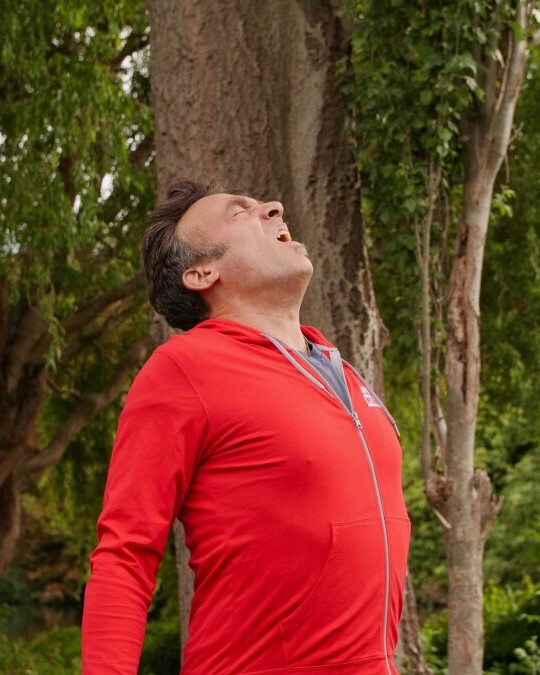
Benefit: Can calm the nervous system and reduce stress.
- How to do it: Lie comfortably on your back with your knees bent. Place one hand on your chest and the other on your belly. Breathe in slowly through your nose, focusing on allowing your belly to rise first, then your chest. Exhale slowly through your mouth. Aim for deep, controlled breaths for 5-10 minutes.
2. Neck Girdle Stretch:

Benefit: Releases tension in the neck and shoulders, which often hold onto stress.
- How to do it: Sit up straight. Gently tilt your head to the side, bringing your ear towards your shoulder until you feel a gentle stretch in the side of your neck. Hold for 15-30 seconds. Repeat on the other side. You can also carefully roll your shoulders backwards in a circular motion.
3. Gentle Hamstring Stretch (Seated or Lying Down):
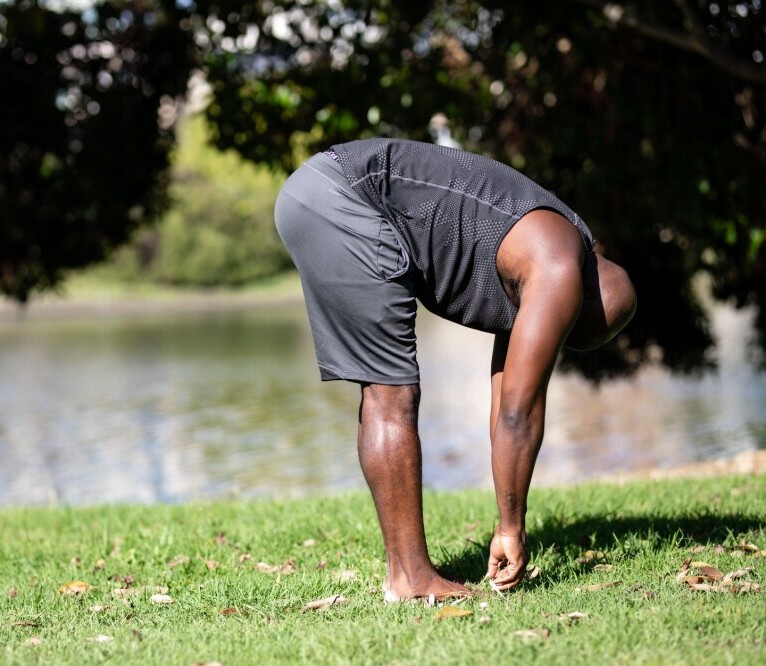
Benefit: Improves flexibility in the back of the legs and can help with lower back discomfort.
- How to do it (Seated): Sit on the edge of a sturdy chair. Extend one leg out in front of you, with your heel on the floor and toes pointed up. Keep your back straight as you gently lean forward from your hips until you feel a light stretch in the back of your thigh. Hold for 15-30 seconds. Repeat on the other side.
- How to do it (Lying Down): Lie on your back. Loop a towel or strap around the sole of one foot. Gently pull the leg up towards you, keeping the knee as straight as possible, until you feel a gentle stretch. Hold for 15-30 seconds. Repeat on the other side.
4. Cat-Cow Stretch:
Benefit: Improves spinal flexibility and can alleviate back tension.
- How to do it: Start on your hands and knees. Inhale, dropping your belly and arching your back slightly as you look up towards the ceiling (Cow Pose). Exhale, rounding your spine and tucking your chin to your chest (Cat Pose). Flow gently between these two poses for 10-15 repetitions.
Movement is Medicine for the Mind
As you move through this May, remember that movement truly is a form of medicine, not just for your body, but also for your mind. Physical therapy offers a structured, supportive, and effective way to harness this power, even as you heal at home. Don’t underestimate the profound impact that small, consistent acts of gentle movement can have on your overall well-being.
By choosing to “move more” this May, you’re not just strengthening your body; you’re cultivating a calmer, happier, and more resilient mindset. Embrace the journey, listen to your body, and celebrate every step, however small, towards a healthier and more balanced you.
If you need more information on in-home physical therapy, please call 580-279-1928.